5 Signs Your Yard Needs Better Drainage
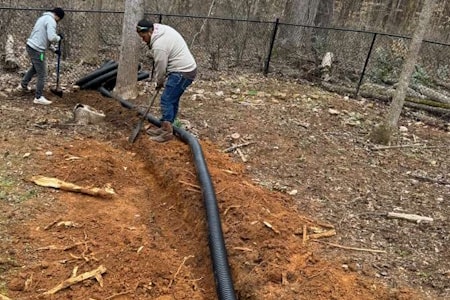
Raleigh's quick, heavy storms and stubborn red clay can turn a good yard into a soggy mess. If you're seeing problem spots after routine rain, your lawn may need targeted drainage pipe work and grading solutions. As a local team providing landscaping services, Sol Landscaping LLC sees the same patterns across North Hills, Five Points, Brier Creek, and Southeast Raleigh. Below are the five clearest signs your yard needs better drainage, plus what a pro looks for and how the right plan protects your home and landscape.
1) Standing Water That Lingers After Rain
Puddles that sit for a day or two are the classic red flag. Clay soils are common across Raleigh, with slow water movement, so areas with even slight depressions can hold water well after the rest of the lawn dries. If water remains for 24-48 hours after a normal rain, that is a red flag that surface flow or subsurface capacity is inadequate. You might see mirror-like pools in low corners, beside patios, or along fence lines where runoff collects and has nowhere to go.
Beyond the mess, lingering water invites mosquitoes, weakens turf roots, and can seep toward the foundation. In older neighborhoods like Mordecai or Boylan Heights, gentle slopes and mature tree roots can also redirect water, causing it to settle in unexpected places.
2) Spongy Lawns and Sinking Footsteps
Walk across your yard a day after rain. If your shoes leave squishy imprints, the soil is saturated. In the Piedmont's dense clay, water often sits in the root zone rather than draining, which starves roots of oxygen. That leads to thin, weak turf that tears easily when you mow.
Persistent saturation can also cause soil compaction. Compacted clay sheds new rain like a parking lot, so you end up with more runoff and even less infiltration. The result is a cycle of mushy areas that never quite firm up between storms.
3) Washed-Out Mulch, Silt Lines, or Mini Gullies
When water has too much speed and nowhere safe to go, it moves soil and mulch downhill. You might notice mulch piled at the bottom of a bed, faint silt lines on hardscape, or tiny ruts carving through bare spots after a summer storm. Over time, these "tells" point to concentrated flow that needs to be slowed, redirected, or piped underground to a proper outlet.
Homes near sloped lots or new construction often see this after heavy downpours. Gutters that discharge at corners without extensions can supercharge the problem, sending concentrated torrents across beds and walkways.
Local insight: Raleigh's red clay drains slowly, so small grade errors add up fast. Scheduling drainage assessments before hurricane season gives you time to address issues ahead of the heaviest fall rains.
4) Moisture Around the Foundation or A Musty Smell Indoors
Water that pools near the house is more than an eyesore. It can slip into hairline cracks, wick through porous materials, and stress basement or crawlspace systems. Look for damp soil along the foundation after dry weather returns, white mineral deposits on block walls, or a stale, musty smell below the main floor.
Water against the foundation can lead to structural stress and indoor air quality concerns if ignored. In parts of Raleigh with older footing drains or none at all, routing roof runoff and surface flow into a managed system is essential to relieve pressure on the house.
5) Patchy Plant Health in Persistent Wet Spots
Some plants love moisture, but turfgrass and many ornamentals do not. Yellowing leaves, dieback in rings, and algae or moss creeping across thin turf signal chronic saturation. You might see a line of stressed shrubs right where a slope directs water, or a tree struggling because its roots are constantly wet.
Left untreated, these wet zones become bare soil that erodes, which then sends more sediment into low areas. That creates a larger maintenance headache and increases the odds of muddy tracking onto hardscapes and into your home.
Why Yard Drainage Problems are Common in Raleigh
Raleigh sits in the Piedmont, where clay-heavy soils have tiny pore spaces that resist quick absorption. Add short, intense thunderstorms, leaf drop in the fall, and roofs that shed thousands of gallons per storm, and it's easy to overwhelm shallow swales or aging yard drains. Older subdivisions may also have settled walkways or patios that unintentionally trap water.
- Dense clay slows infiltration, so water lingers at the surface.
- Short, heavy downpours overwhelm shallow swales and unpiped outlets.
- Roof runoff concentrates flow near corners, beds, and walkways.
- Settled hardscape or minor grade dips trap water against foundations.
These factors combine in neighborhoods from Brentwood to Glenwood to create the same symptoms: pooling, erosion, and stressed plants.
How A Pro Evaluates Yard Drainage
A thorough assessment starts at the roofline and ends where water should safely exit your property. A technician studies slope, checks how downspouts discharge, probes soil conditions, and looks for buried obstacles such as compacted layers or construction debris. The goal is to map how water arrives, how long it stays, and where it needs to go.
- Measure slopes and high-to-low points that drive surface flow.
- Trace roof runoff and driveway shedding to find concentration points.
- Probe soil for compaction, layering, or heavy clay pockets.
- Confirm viable discharge points that won't impact neighbors or sidewalks.
From there, Sol Landscaping LLC recommends a plan that balances surface grading with subsurface solutions so your lawn, beds, and foundation work together rather than against each other.
Long-Lasting Fixes Professionals Use
Every yard is different, but the best results come from combining small grading corrections with the right piping and collection points. Clay soils often need subsurface solutions like French drains and solid pipe runs that move water to a lawful, stable outlet. Catch basins can intercept low spots in turf, while downspout adapters and tightline piping stop roof water from washing across beds.
In tricky areas along fences or side yards, shallow swales with proper sod reinforcement guide flow without looking industrial. For shady or tree-lined spaces where leaves collect, larger inlets or debris baskets help keep systems moving during storm season. The key is a design that handles quick bursts in summer and steady rain in winter without flooding your or your neighbor's lawn.
When to Act and What to Expect
If you see any of the five signs, timing matters. Rapid fixes after one storm are less important than a plan that holds up year-round. Your project may include simple grade adjustments, new collection points, and professionally installed drainage pipe work that ties everything together. Most visits begin with a site walk, measurements, and a clear scope so you know how runoff will move when the work is complete.
You'll also get maintenance notes tailored to Raleigh's seasons, like keeping leaves off inlets before fall fronts arrive and checking downspout screens after windy days. These small steps help your new system perform at its best between service visits.
Benefits You Will Notice After Improvements
Good drainage protects more than turf. It safeguards your foundation, reduces mosquito breeding, and makes outdoor spaces more usable after storms. Lawns dry faster, mulch stays put, and beds avoid the constant shuffle of washed-out soil.
Homeowners across Midtown and Leesville often report a cleaner transition from driveway to entry after upgrades. Pets track in less mud, patios stay cleaner, and you can schedule gatherings without worrying about last night's rain turning the yard into a sponge.
How to Spot Problems Early
The earlier you notice patterns, the easier the solution tends to be. Walk your property the day after a typical storm and note where your shoes sink, where water leaves silt lines, or where mulch shifts. Compare those spots with where downspouts discharge and where the ground slopes. Consistent symptoms in the same locations usually mean the yard needs a better route for water, not just a quick rake or more mulch.
In Raleigh's summers, short storms can reveal a lot in minutes. If you see water racing across a bed, it's a clue that the next big front could carve a channel or push soil toward your foundation.
What Makes A Solution "Professional"
It's not only about the pipe. A professional approach considers long-term durability, clean grading that blends with your lawn, and safe discharge that doesn't create new problems downstream. Materials and layouts are selected for the clay-heavy soils common here, with joints and transitions that resist root intrusion and seasonal movement.
Quality drainage pipe work protects your home and landscape by collecting, conveying, and releasing water where it belongs. That means fewer callbacks, a tidier yard after storms, and systems that stand up to years of Raleigh weather.
Ready to Protect Your Home and Yard
Ready to fix yard drainage in Raleigh? Call Sol Landscaping LLC for professional drainage pipe work that is designed for our local clay and storm patterns at 919-695-5160. We're here to assess your property and create a plan that keeps water moving the right way so your lawn looks great, and your foundation stays dry.