Avoid These Common Planting Mistakes Around Your Home
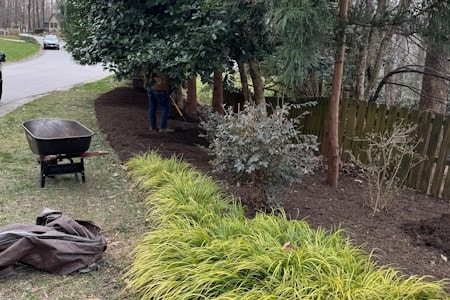
Raleigh's weather and clay-heavy soils can make planting tricky. Hot summers, quick downpours, and dense red clay test even hardy plants. That is why many homeowners rely on professional planting services from Sol Landscaping LLC to do it right the first time. The result is a landscape that looks good now and stays strong through every season.
The Raleigh Reality: Soil, Heat, And Storms
Our area sits on dense "Carolina clay." It holds water after big summer storms yet bakes hard during dry spells. In neighborhoods from Five Points to North Hills and Brier Creek, yards can swing from soggy to cracked in the same month. Matching plants to these swings and preparing the site correctly are the keys to long-term health.
Local microclimates matter. A south-facing brick wall in Oakwood reflects heat. A mature oak in North Raleigh throws deep afternoon shade. Wind can funnel between homes and stress new shrubs. Planning for these small differences protects your investment.
Mistake 1: Planting Too Deep Or Too High
Set a plant too deep, and the root flare suffocates. Set it too high and roots dry out and the plant wobbles. Either way, new installs struggle through the first summer. A trained crew understands how to place the root flare at the proper height and stabilize the plant so it can grow fast and evenly.
Mistake 2: Ignoring Drainage And Grading
Pooling water around roots leads to rot, fungus, and mosquitoes. You may see mushrooms, wilting leaves, or a sour smell after storms. Proper grading and soil structure move water away from trunks and foundations. Pros look at downspout locations, slope, and soil compaction before a single plant goes in.
- Common signs of poor drainage: persistent puddles 24 hours after rain, algae or slick spots, and plants that yellow even with normal watering.
- Common causes: compacted clay, buried construction debris, and disconnected downspouts that flood beds.
Mistake 3: Choosing Plants That Don't Fit The Sun, Shade, Or Wind
Some plants love full sun on a south-facing slope. Others prefer filtered light under tall pines. Raleigh yards often mix both, so a one-size-fits-all plant list fails. Professional landscape services evaluate daily sun exposure, nearby trees, and heat reflection from driveways and patios to select the right plant for each spot.
- Microclimates to consider: south-facing walls, low spots near sidewalks, the strip between house and driveway, and shaded corners behind fences.
- Plant choices should reflect site conditions, not a catalog photo.
Mistake 4: Overcrowding And Skipping Mature Size
New plants look small on day one. It is tempting to pack beds for immediate impact. Overcrowding blocks airflow, encourages disease, and forces frequent pruning. Planning for the plant's mature width and height keeps pathways clear, windows open, and future maintenance reasonable.
Mistake 5: Planting At The Wrong Time Of Year
In our region, fall is often the best season to install trees and shrubs because soils stay warm while air cools. Spring works well for many perennials. Mid-summer installs can succeed with tight monitoring, but heat and humidity raise the risk. Timing your project with local weather patterns reduces stress on new roots and boosts establishment.
Mistake 6: Skimping On Soil Preparation
Clay soil compacts easily. Roots need pore space for air and water. Bed-wide preparation with the right organic matter creates a consistent environment for roots to explore. Spot-filling a single hole with rich mix can trap water like a tub and drown roots. A thoughtful plan treats the whole bed as a living system.
Mistake 7: Mulch Problems That Invite Disease
Mulch is powerful, but more is not better. Volcano piles against trunks cause decay and pests. Thin, patchy mulch dries out soil too fast. Aim for an even layer that protects roots, keeps weeds down, and never touches bark. Never pile mulch against the trunk or stem.
Mistake 8: No Watering Plan For The First Growing Seasons
New plants have small root systems and dry out faster than established ones. Hand watering alone can be inconsistent, especially during summer travel or busy school weeks. The right schedule depends on plant type, bed size, and rainfall. A professional team sets a simple plan and adjusts it as the seasons change so plants grow deep, resilient roots.
Mistake 9: Overlooking Utilities, Easements, And Sight Lines
Before planting large trees or digging near fences, check for underground lines and neighborhood easements. Think about traffic views at driveways and corners. This protects your home, your neighbors, and your plants. When in doubt, bring in a pro to verify safe planting zones.
Mistake 10: Skipping A Maintenance Plan
Planting day is only the start. Without seasonal checks, minor issues turn into removals and replacements. Smart maintenance balances pruning, weed control, and monitoring for pests so your landscape stays healthy. A planned calendar also respects bloom times and growth habits for cleaner, better results.
Local Insight: Raleigh plants often thrive when installed in early fall. Warm soil feeds roots while cooler air reduces stress, so your yard looks fuller by spring.
Safety Note: Summer heat can stress new plants quickly. Check moisture more often during July heat waves and right after thunderstorms that send water racing across clay soils.
How Professional Planting Services Protect Your Yard
Great landscapes come from strong foundations. With Sol Landscaping LLC, a certified crew studies sun, soil, slope, and nearby structures before recommending plants. That prevents "trial and error" losses and keeps your beds consistent across seasons. We coordinate with irrigation teams, review drainage, and stage materials so the work is efficient and tidy.
Our approach focuses on long-term health. We choose region-suited plants that can handle heat, humidity, and the occasional cold snap. We create clean bed lines, correct planting heights, and proper mulch rings. Small details today prevent big headaches tomorrow.
What Raleigh Homeowners Often Notice First
Homeowners usually spot symptoms before they know the cause. Here are a few common red flags and what they can mean:
- Yellowing leaves on new shrubs can signal waterlogged roots from poor drainage.
- Plants leaning after storms may be set too high or anchored in loose, unprepared soil.
- Dry edges on foundation beds often point to heat reflection and insufficient mulch coverage.
If any of these sound familiar, a professional review can save time and replant costs. Catching issues early is the best money saver in landscaping.
Design Choices That Work In Our Area
Balanced plant palettes handle both summer heat and winter chill. Durable evergreens give structure along walks and porches. Flowering shrubs and perennials add seasonal color without constant babying. Layered beds near entries, patios, and mailboxes keep curb appeal high while staying practical to maintain. The right spacing and bed depth help with airflow and reduce disease pressure in humid months.
Why Partner With Sol Landscaping LLC
We are a local team focused on quality installs and clear communication. From North Raleigh to Downtown and east toward Knightdale, our crews show up prepared and respect your property. You get design insight, plant sourcing, precise installation, and a maintenance plan that fits your routine. If you want a yard that looks great in July and still shines in January, our process delivers.
Have questions about timing, plant selection, or bed preparation? Talk with us, and we will walk your site, explain the plan in plain language, and schedule work for the best window.
Get It Done Right With Professional Planting In Raleigh
Avoiding these common mistakes saves time and protects your investment. When you're ready to refresh the front walk, add privacy along a fence, or rebuild a tired foundation bed, Sol Landscaping LLC is here to help. Schedule a visit today and let our team design and install a healthy, beautiful landscape for your home. To get started, call 919-695-5160 and ask about planting services that fit your Raleigh property.