The Best Time of Year to Aerate and Overseed Your Lawn
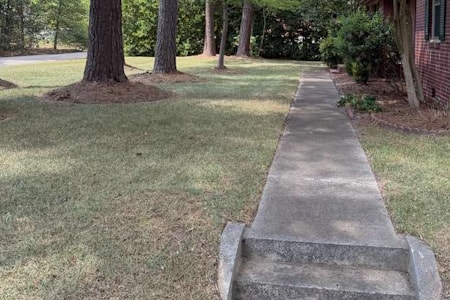
If you want a thicker, greener yard in Raleigh, NC, timing is everything. The best time to aerate and overseed your lawn lines up with our local weather and the cool-season grasses that thrive here. When you plan it right, new seed takes root before winter, then surges in spring. That's why homeowners across North Hills, Brier Creek, Five Points, and Garner look for the prime seasonal window rather than picking random dates that fight the climate.
Why Timing Matters
Raleigh sits in the Piedmont, which has warm summers, mild winters, and heavy clay soils. Clay compacts under mowing, foot traffic, and play, which chokes off air and water to the roots. Aeration opens the soil, so seed and nutrients can reach the root zone. Overseeding adds fresh, vigorous varieties that outcompete weeds and fill bare spots. Done together at the right time, they strengthen your yard for the next 12 months instead of just a few weeks.
Professional crews in our area plan around soil temperature, day length, and fall weather patterns. Cool nights and moderate days help seed germinate and protect tender sprouts from heat stress. Rainfall is more regular in autumn compared to late summer, which reduces the risk of seed drying out. Pairing this natural cycle with a scheduled visit for lawn aeration sets up your yard for success.
The Prime Window: Early Fall in the Triangle
For most Raleigh lawns, the sweet spot runs from mid-September through mid-October. Days are still warm enough for quick germination, while nights cool down to protect new grass. This period gives seedlings enough time to develop roots before the first hard frost. By spring, those plants are hardy and ready to thicken the turf.
Fall also keeps weed pressure lower than spring. Many common Triangle weeds lose steam when the weather cools. That makes room for new grass to fill in without as much competition. If your yard in Wake Forest or Knightdale has looked thin all summer, this is the moment to refresh it with a fall overseed following core aeration.
A Solid Backup: Late Winter to Early Spring
Maybe fall slipped by, or your family moved during October. You still have a second chance. Late February into March can work as a backup in Raleigh. Soil starts to wake up, and days get a bit longer. Cool-season grass will sprout, but results often trail behind fall projects because heat arrives sooner in May and June. New seedlings have less time to build deep roots before summer stress rolls in.
If you pick this window, understand it's a recovery plan, not the ideal. Your lawn will still improve, though you may see thinner coverage by early summer compared to a fall timeline. The next fall becomes an important tune-up to lock in the gains.
Seasonal Guide At A Glance
- Early Fall: Best for Raleigh. Mid-September to mid-October sets turf up for winter and spring strength.
- Late Winter to Early Spring: Backup option. Good, but watch for early heat that can stress new grass.
- Summer: Avoid. High heat and drought risk make germination and establishment difficult.
- Late Fall to Mid-Winter: Too cold for strong growth and limited time before frost slows development.
Local insight for Raleigh homeowners: our clay soils compact fast after a busy summer. Plan aeration and seeding between mid-September and mid-October for the best balance of warm soil and cool nights. If a tropical system soaks the area, give the ground a couple of days to drain before any work to prevent smearing the soil.
How Weather Can Shift Your Calendar
Even within that prime fall window, storms and heat waves can nudge your date. A stretch of 90-degree afternoons in early September is common. In that case, waiting one more week helps protect tender sprouts. On the flip side, an early cool snap in late September can speed up the start date. The goal is steady, moderate weather for two to four weeks after seeding so young plants can anchor well.
Moisture matters too. Light, regular rainfall supports new seed. Torrential downpours can wash seed out of thin areas, especially near slopes or curb lines. During hurricane season, Triangle rain can arrive in bursts. Your crew will watch the forecast and adjust so the seedbed stays in place and the cores from aeration dry just enough to crumble back into the turf.
Neighborhood Considerations Across Raleigh
Not every yard behaves the same. Homes near mature tree canopies in Five Points often have more shade and leaf drop. Shade cools the soil faster, which can slightly extend the fall window because the seed stays moist longer. Newer neighborhoods like Brier Creek tend to have younger soil with construction compaction and more sun. Those lawns often need earlier fall dates to get roots set before any surprise warm spells in October.
Traffic patterns play a role. Backyards that host weekend games or pet paths compact faster than front lawns. Aeration relieves those hot spots so the seed can grab onto loosened soil. A tailored plan for each yard section produces better coverage and a more even spring green-up.
Signs Your Lawn is Ready for Aeration and Overseeding
- Water puddles after normal rain instead of soaking in.
- Grass thins out along walkways or in play areas.
- Soil feels hard underfoot, and a screwdriver is tough to push in.
- Thatch looks thick and spongy, and bare patches spread each season.
These clues point to compaction and aging grass, which are common in our clay-heavy Piedmont soils. Correcting both with aeration and seed improves root depth, color, and resilience when summer heat returns. Skip summer aeration and seeding because heat and drought stress young grass. Saving the work for the right season protects your investment and shortens the path to results.
Common Mistakes to Avoid
Starting too early in hot weather or too late after the first hard frost are the two big missteps. Another is ignoring soil compaction and only spreading seed. Without open channels into the ground, much of that seed never makes contact where it can sprout. Avoid using aggressive power rakes on thin turf in dry conditions, which can tear out what little grass you have left.
One more pitfall is chasing quick color with the wrong seed blend. Our region leans on cool-season mixes that perform across mild winters and handle warm springs. Use a seed suited to Piedmont conditions so it can establish during the fall window and hold on through early summer heat. If you're building a long-term plan, your crew may adjust varieties for shadier beds under oaks or sunnier slopes near the street.
How Professional Scheduling Maximizes Results
Quality work is about timing and technique. Skilled teams core the lawn when soil moisture is right, so the tines pull deep, clean plugs. That gives seed a sheltered groove to settle and encourages those cores to break down into natural topdressing. Coordinating the visit around moderate temperatures and a stable forecast makes all the difference.
It also helps to plan support services around the visit. Your team will align mowing heights in the weeks leading up to the date and confirm that irrigation is ready to run if the weather dries out. Consistent moisture after seeding is crucial during the first couple of weeks for strong germination. With a calendar built for Raleigh's patterns, the yard fills in faster with fewer thin spots.
If you're mapping out your annual yard care, it can be helpful to organize everything under one roof. A full-service provider can tune seasonal cleanups and bed care around your core turf work. For a quick look at what a complete program can include, see our landscaping services overview to understand how turf care fits within the bigger picture of your property.
Early Fall vs. Early Spring: What To Expect
Choose early fall when possible. Expect faster germination, thicker coverage by late October, and a stronger jump in March. Spring results can still be solid, especially after mild winters, but new plants face rising temperatures sooner. That often means you'll want a strategic touch-up the following fall to reinforce thin areas before the next summer arrives.
Either way, pairing core aeration with seeding multiplies your gains. The open soil boosts oxygen to roots, reduces runoff, and allows nutrients to penetrate. New grass then fills the voids and crowds out weeds. For thicker turf this season, schedule lawn aeration and overseeding with Sol Landscaping LLC today. The calendar you choose now shapes how your yard handles traffic, heat, and heavy summer showers next year.
What Raleigh Weather Means Month By Month
September brings shifting nights that cool the soil, which jumpstart the seed. In average years, the second and third weeks are ideal for Triangle lawns. October stays friendly for seedlings, though you will want to start early in the month so young plants have time to settle. November turns riskier as days shorten and growth slows.
By February, soil begins to wake up, and the backup window opens. March can still work if you move right as the weather steadies. April is already late for Raleigh because the heat will arrive in weeks, not months. Plan around youth sports, family travel, and leaf drop so your yard gets dedicated time to establish.
Putting it All Together for Your Yard
Look at your lawn's history and how it's used. Heavily trafficked yards near patios or play sets usually need annual aeration. Newer lawns on builder-grade soil may need two consecutive fall seasons of focused attention to reach your goal thickness. Shady areas near maples might call for blends that tolerate less sun. The more your plan reflects your yard's real life, the better and faster it will improve.
If your property backs onto a slope or a drainage swale, be cautious with timing ahead of big rain events. Heavy storms can move seed before it sprouts. Wait for a steady pattern rather than chasing a random sunny day between fronts. That small delay can mean fewer bare patches and a cleaner curb line once seedlings emerge.
Ready to Choose Dates?
The surest path to thick turf in our area is simple. Aim for mid-September to mid-October, with late winter to early spring as a secondary option. Balance that target with your yard's shade, soil, and traffic patterns. A well-timed visit followed by steady care sets the tone for the next 12 months across the Triangle.
If you're building your plan now, explore a tailored program that combines aeration, high-quality seed, and seasonal support. Coordinating these steps once or twice a year can transform a thin, compacted lawn into a resilient, good-looking space for everyday life.
Talk with a local pro at Sol Landscaping LLC and lock in your ideal window by calling 919-695-5160. For seed selection or scheduling that fits your goals, we can review recent photos or stop by for a closer look.